Village de Saint-Elix d’Astarac
SAINT-ELIX , Gers – Eredità culturale
Chi siamo
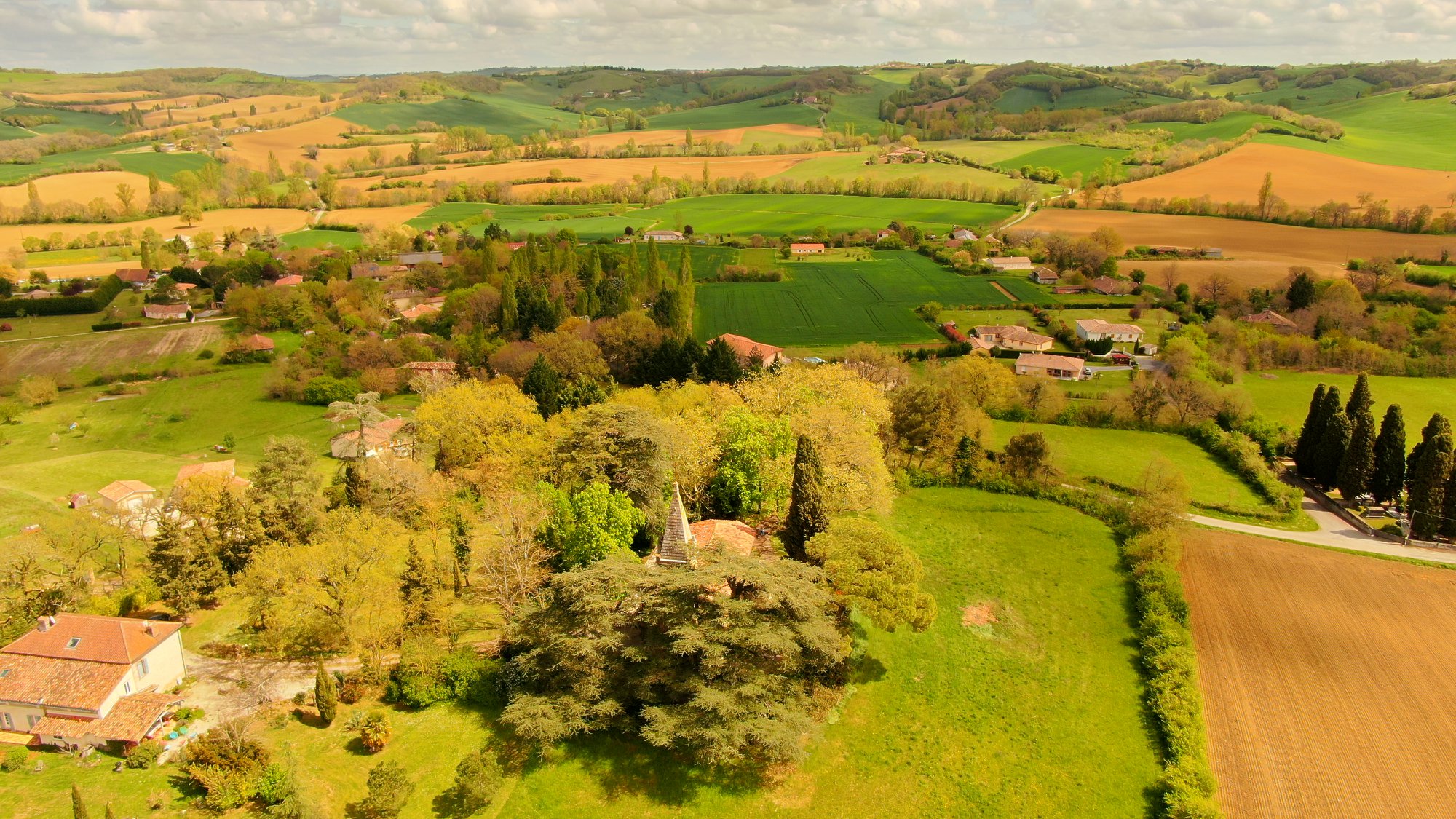
Saint-Elix is a charming little village nestling in the heart of the Astarac region.
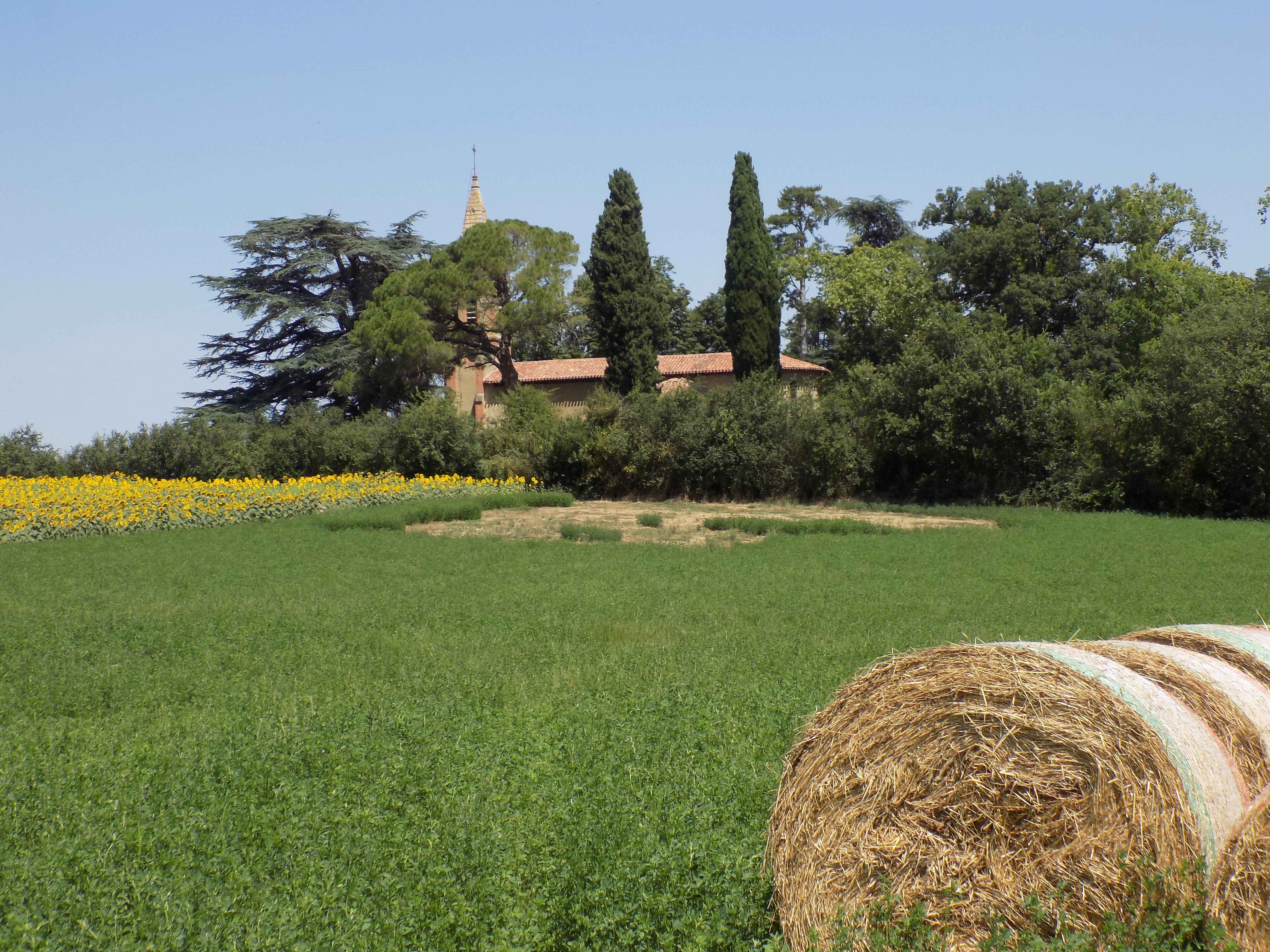
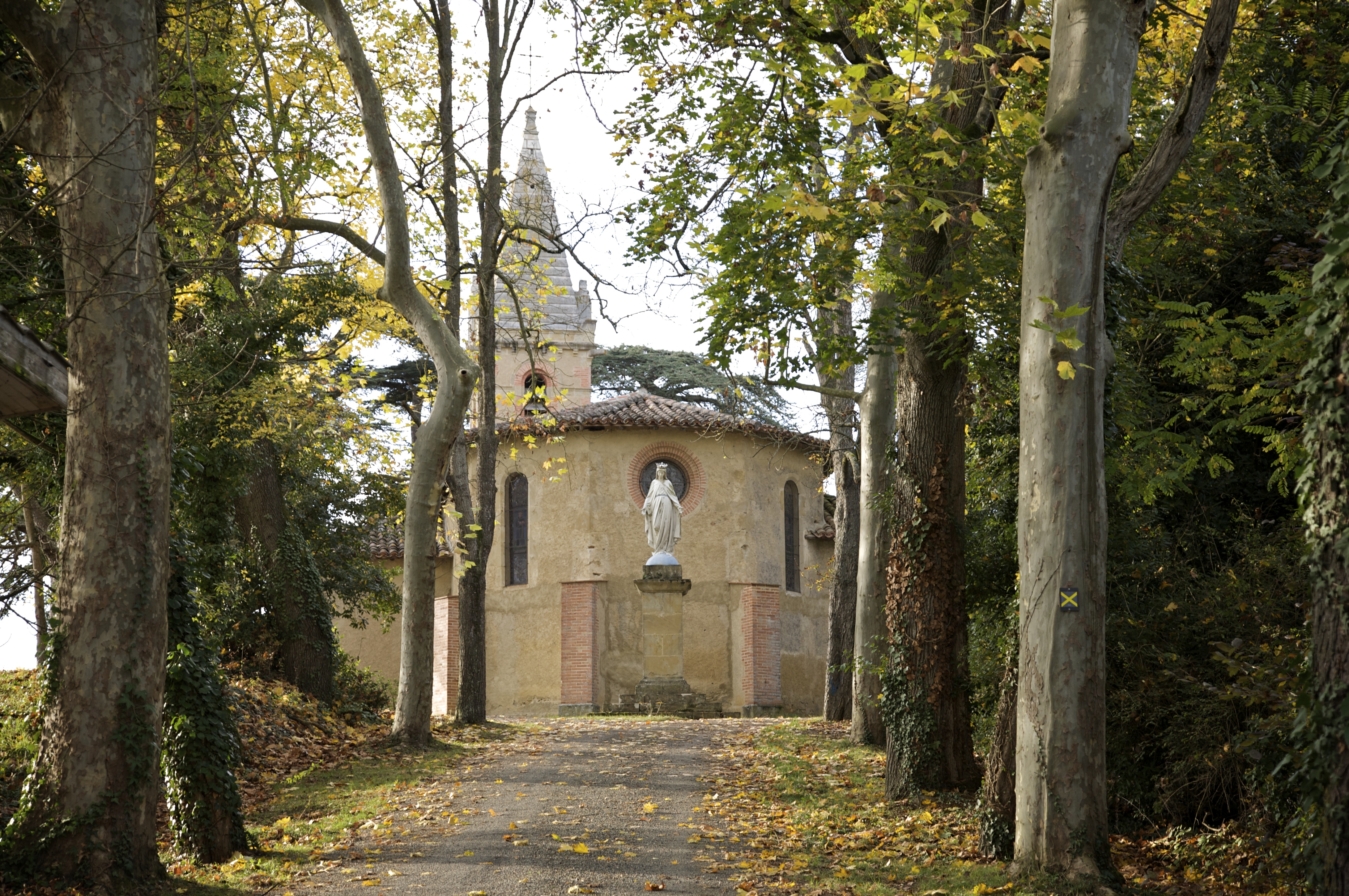
The Church of Saint Pierre is Links was built on a tumulus, on the site of a feudal castle. This church is certainly the former chapel of the castle reorganized. It dates from the 15th century, and was restored in the 19th and 20th centuries. Its porch houses a Gothic door from the 16th century. Inside it, there are various objects listed in the inventory of historical monuments: a reliquary bust of Saint Pierre in gilded wood (18th century), a statue of the Virgin and Child in gilded carved wood (18th century), a wooden and leather christ (16th century) a processional church in silvered bronze (late 18th century).
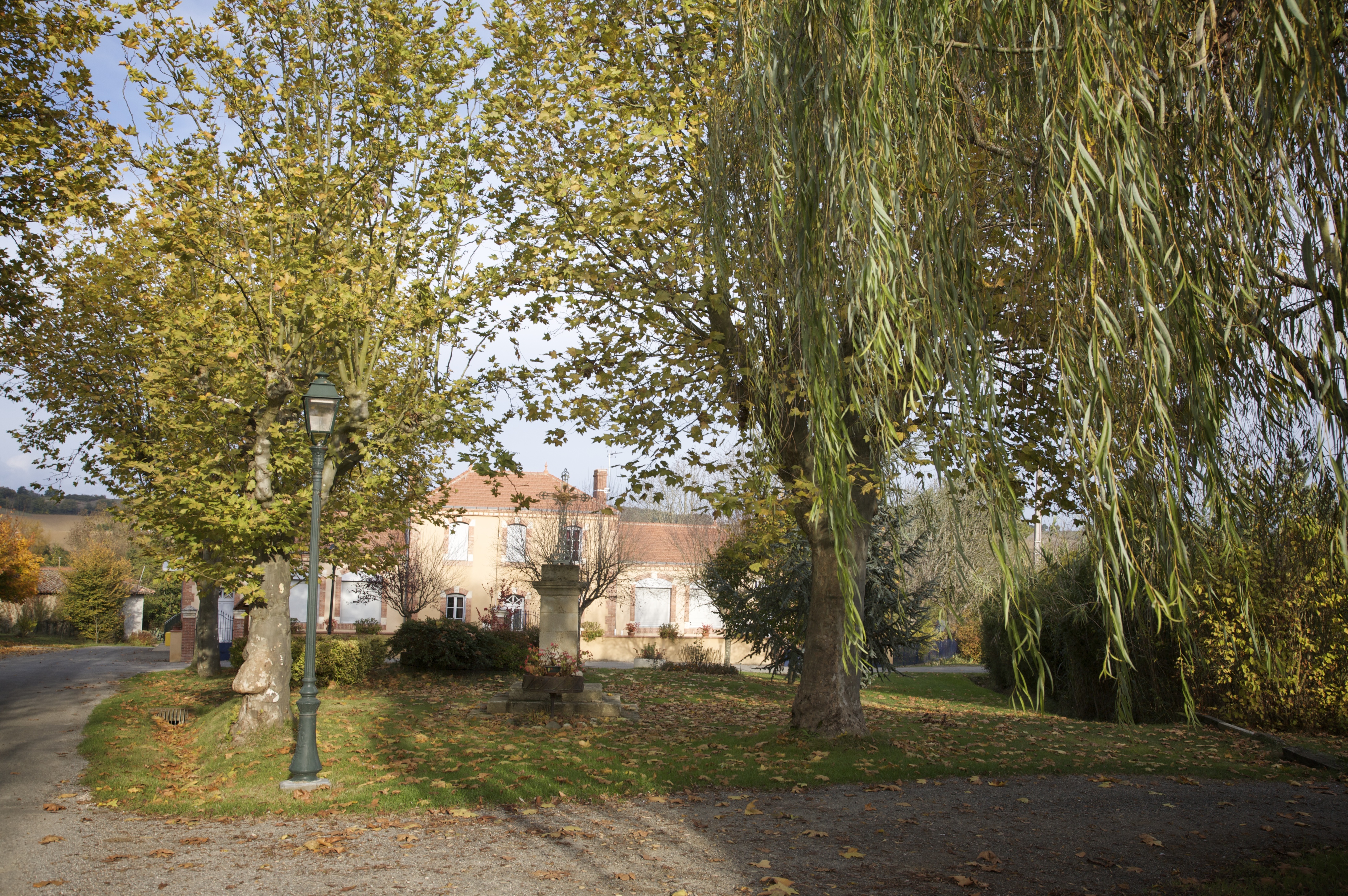
The commune has a small calvary in the center of the village, on the site of an old church.
The commune owned an old water mill. The remains of this one can be found on the river Gimone. A communal fountain dating from 1869 is also found in the commune.
In the past, more than 50% of the municipality’s surface area was occupied by the forest. The forest of Arrouy belonged to the lord of the place and that of the Monks to the Benedictines of Saramon. This forest has played a very important role for the municipality. At the beginning of the 13th century, the lord Arnaud de Betcave granted the inhabitants of Saint Elix the right to collect dead wood in the forest of Arrouilh. In 1491, the count of Astarac authorized the syndics of Saint Elix, the “right of grazing on the forest of Arrouilh” for their cattle and the possibility to obtain green wood to repair their houses and tenant farms. The inhabitants of Saint Elix have the right to lead all their livestock “large and small” except in the autumn when they can only lead “3 pigs per family during the year”. They can take dead wood for their heating, and green wood to repair their houses following the act of the year 1491, paying for each fire and head of house every year a bag of oats, measure of Saramon, two liars, and a hen. At the nationalization of property in 1790, the forest of the Benedictines of Saramon became «National Property», then state forest and imperial forest. The forest of Saramon disappeared towards the end of the 19th century (except for the small wood adjoining the communal forest of Saint Elix). Today, only the communal forest of Saint Elix (52ha) and some buckets remain.
The municipality has a type 1 ZNIEFF ‘The wet meadows of Gimone in Saramon’ on 87 hectares covering 5 municipalities. It is a set of natural and semi-natural floodable meadows on the edge of Gimone. They constitute an interesting reservoir of biodiversity.
The commune also has a type 2 ZNIEFF ‘the course of Gimone and Marcaoue’ on 3085 hectares covering 60 communes. This zone constitutes a corridor that follows the Gimone and its tributary the Marcaoue consisting of the river, the ripisylve and associated floodplains. Natural floodable grasslands are the flagship habitat of this ZNIEFF.
Apertura
- Dal jeudi 1 janvier 2026 al jeudi 31 décembre 2026
Benefici
Attrezzature
- Area picnic
- Toilette pubbliche
- Parcheggio
- Parcheggio gratuito
Servizi
- Animali ammessi