Village d’Escorneboeuf
ESCORNEBOEUF , Gers – Patrimonio cultural
Acerca de nosotros
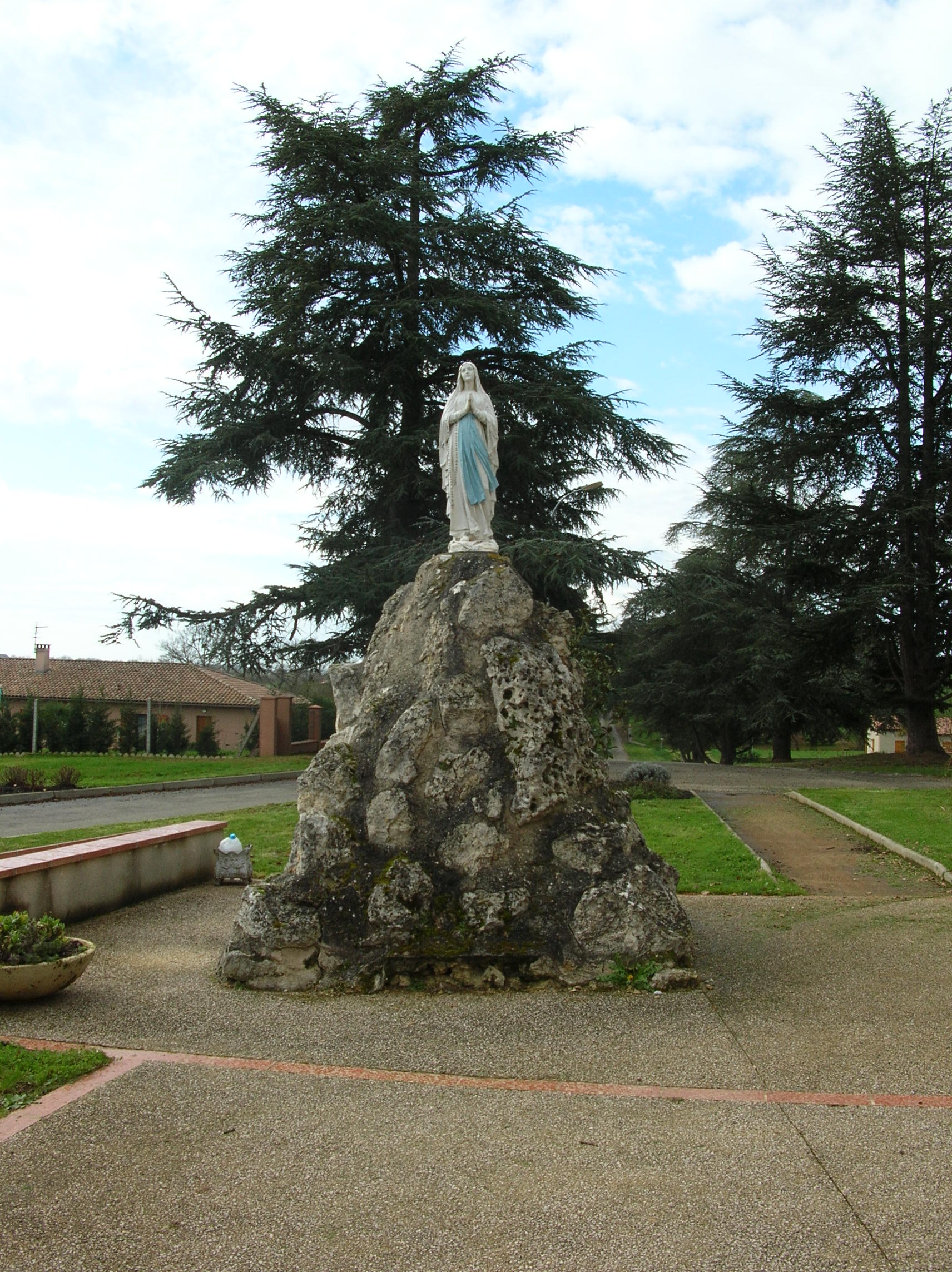
Escorneboeuf is characterized by its typical houses and quiet atmosphere, ideal for nature lovers. The village offers a breathtaking view of the surrounding hills and green fields, typical of the Gers countryside.
The village of Escorneboeuf had 2 churches that have now disappeared. The first is the church of Sainte-Marie de la Garnison, whose location is marked by the tombstone of the former parish priest François Sudre, who died in 1773. It is located near the Marcaoue. The displacement of the church is certainly due to the reconstruction of the village. Initially built near the Marcaoue, the primitive village suffered from successive floods and floods, which is why it was moved.
The second church that has disappeared is the church of Ambon. It still appears on the 1883 cadastre.
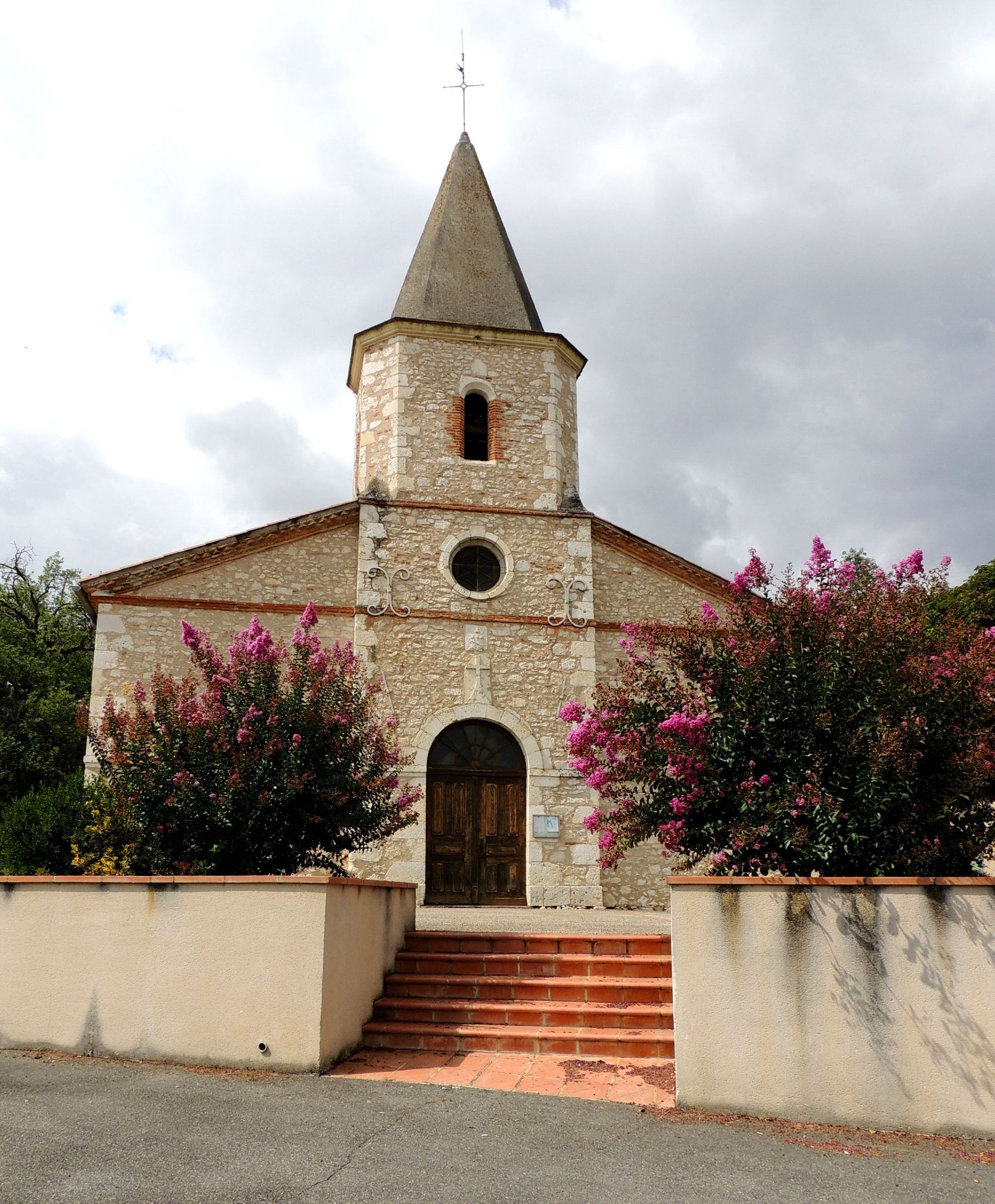
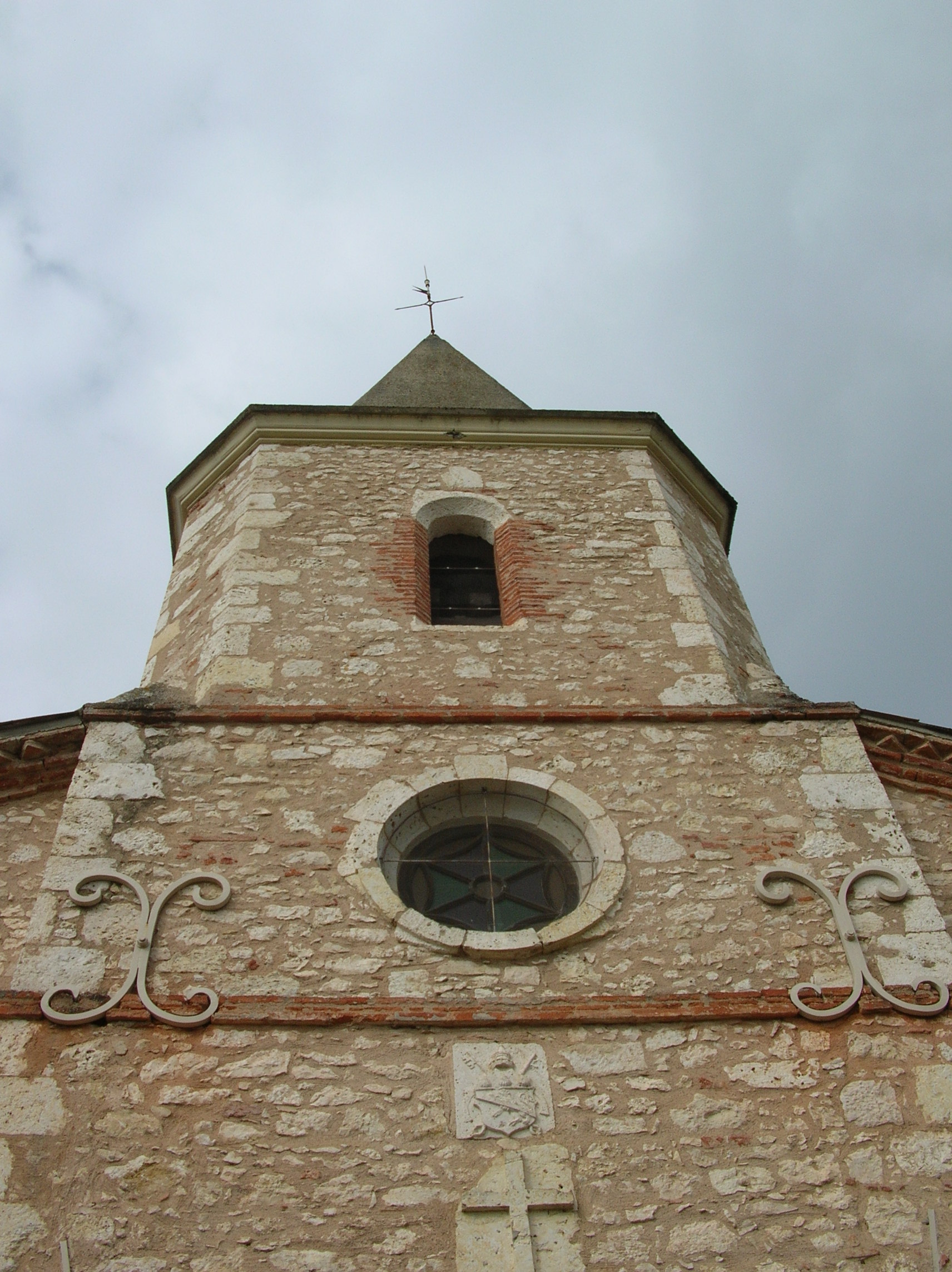
The current parish church is the church of Sainte-Quitterie, dating from the mid-19th century.
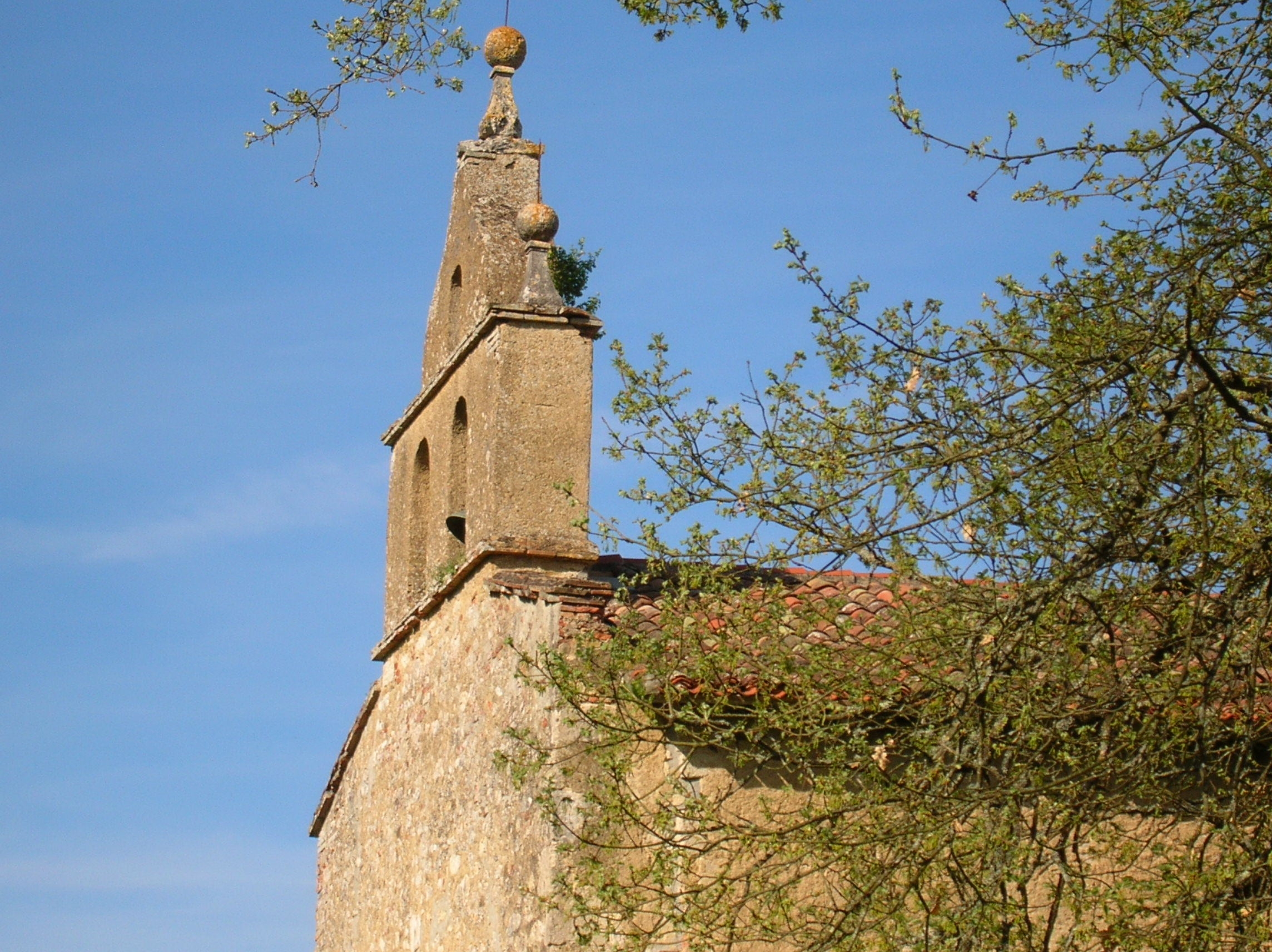
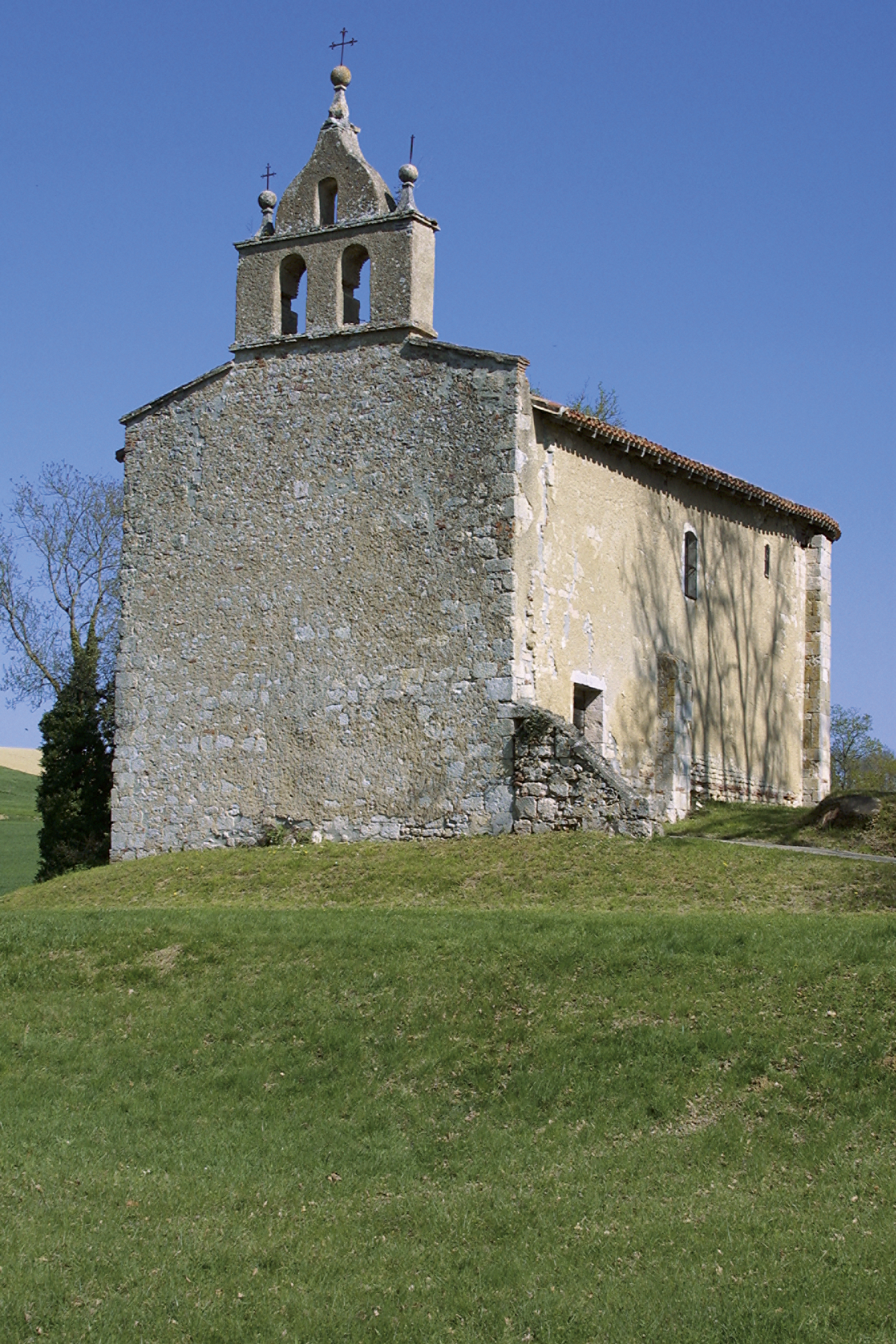
The religious heritage of Escorneboeuf is marked by the presence of the Chapel Saint Jean de las Monjos, registered in the secondary inventory of historical monuments. ‘Las Monjos’ means ‘Des Moniales’. The ending of feminine nouns in Gascon is ‘o’. The chapel was built on the site of an old shrine dedicated to Saint Orens. One can observe at the base of the chapel, on the south side, a Gallo-Roman wall. In 1098, Emerjas d’Altejas took the cross and came to seek the blessing of the bishop of Toulouse to build a house in honor of God to receive the poor. Benedictine nuns came to settle there. It is assumed that their departure from the site would be due to the foundation of the bastide Francheville-Gimont and the opening of two hospitals in the city, the presence of the nuns being no longer essential. The bishop of Toulouse then decides to rebuild and rehabilitate it to welcome the pilgrims of Saint Jacques. This chapel is the oldest in the region. It has kept the original architecture externally and internally.
In the municipality of Escorneboeuf, prehistoric furniture was found in different places: carved axes, flint, scrapers and polished axes. Similarly, several Gallo-Roman deposits have been listed from the 1st and 4th century. The presence of many Gallo-Roman deposits finds its origin in the presence on the commune, of the ancient Roman Toulouse Auch. A stone statue of Jupiter, dating from the 2nd century, was discovered at a place called Au Tachon. The statue shows Jupiter standing, front view, with an eagle on his arm. The work is qualified by specialists as rude, the head is disproportionate compared to the body. Mr. Pierre Sillières would see in it the traces of a Celtic archaism indifferent to the proportions of the body and inclined to exaggerate the importance of the heads. It is now exhibited at the cantonal museum of Gimont.
The commune has 2 mills; one windmill and one watermill, both private. Route de Saint Jean is a source. A well was built in 1822, the Gimontois went there in procession because the water would have healing virtues.
Two type 1 ZNIEFF have been identified in the municipality of Escorneboeuf: «The floodable meadows of Gimont». It is a site made up of floodable natural and semi-natural meadows on the banks of Gimone, separated by cultivated or urbanized areas. These meadows form a very interesting bocage set hosting a rich biodiversity. The many large trees, hedges, ponds, and old buildings (canals, locks, valves…) form an important component of the cultural heritage and landscape of the town. The site consists of floodable meadows hosting rushes. Many species live in this ecosystem.
The second ZNIEFF type 1 is «the flood meadows of La Marcaoue in En Saguens». These floodable meadows have a biodiversity similar to the ZNIEFF mentioned above.
A type 2 ZNIEFF “The course of Gimone and La Marcaoue”, covering 60 municipalities has been identified. This zone constitutes a corridor that follows the Gimone and its tributary the Marcaoue consisting of the river, the ripisylve and associated floodplains. Natural floodable grasslands are the flagship habitat of this ZNIEFF.
Idiomas : Francés
Horario de apertura
- Del jeudi 1 janvier 2026 al jeudi 31 décembre 2026
Prestaciones
Equipamientos
- Aparcamiento
- Aparcamiento gratuito