Village of Boulaur
BOULAUR , Gers – Cultural heritage
 Village of Boulaur_Boulaur
 Village of Boulaur_Boulaur
 Village of Boulaur_Boulaur
 Village of Boulaur_Boulaur
About
Boulaur is a picturesque village in the Gers, known for its peaceful environment and typical agricultural landscapes of Gascony. With its stone houses and church, it reflects the charm of a small rural town rooted in local history.
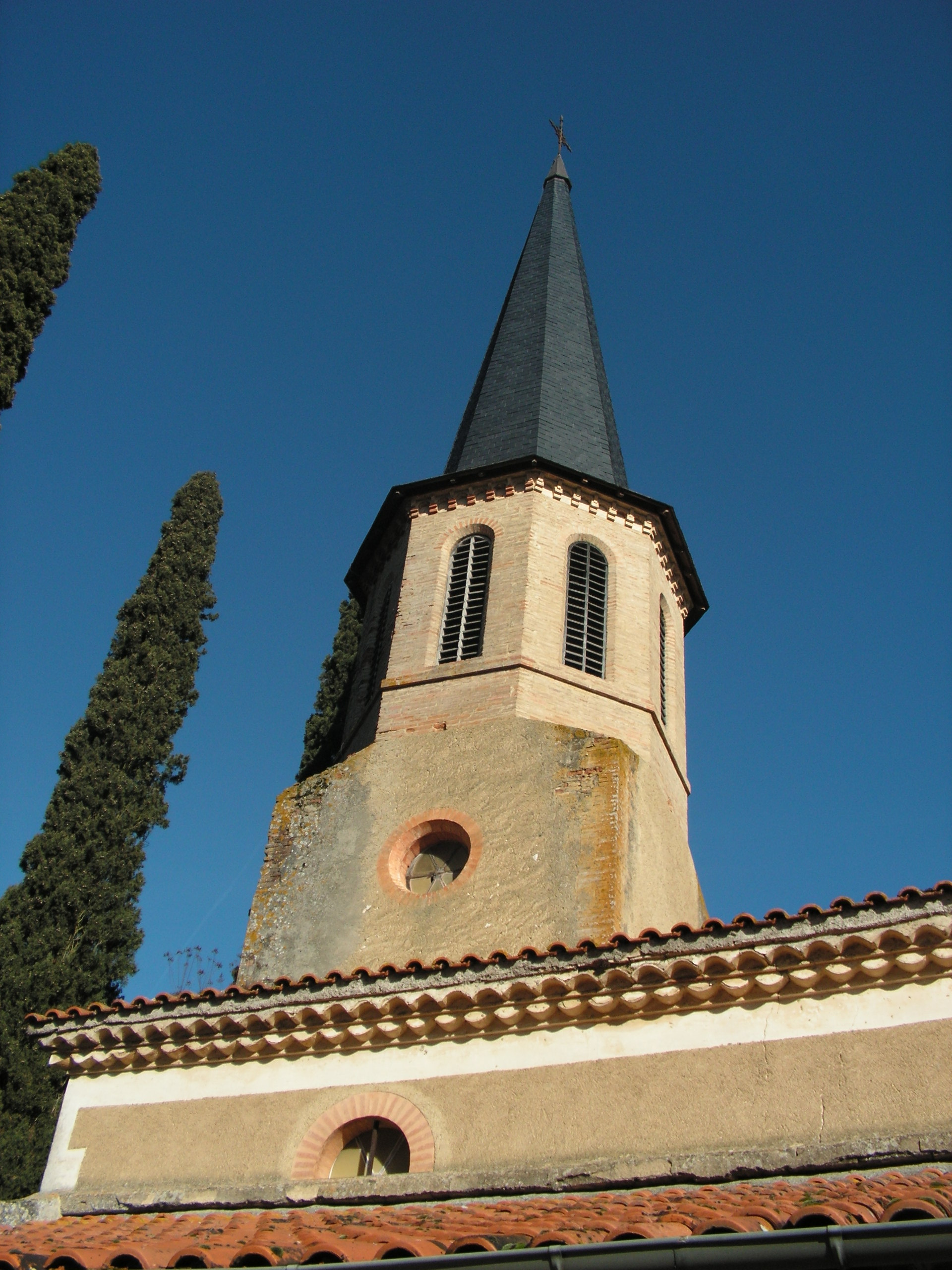
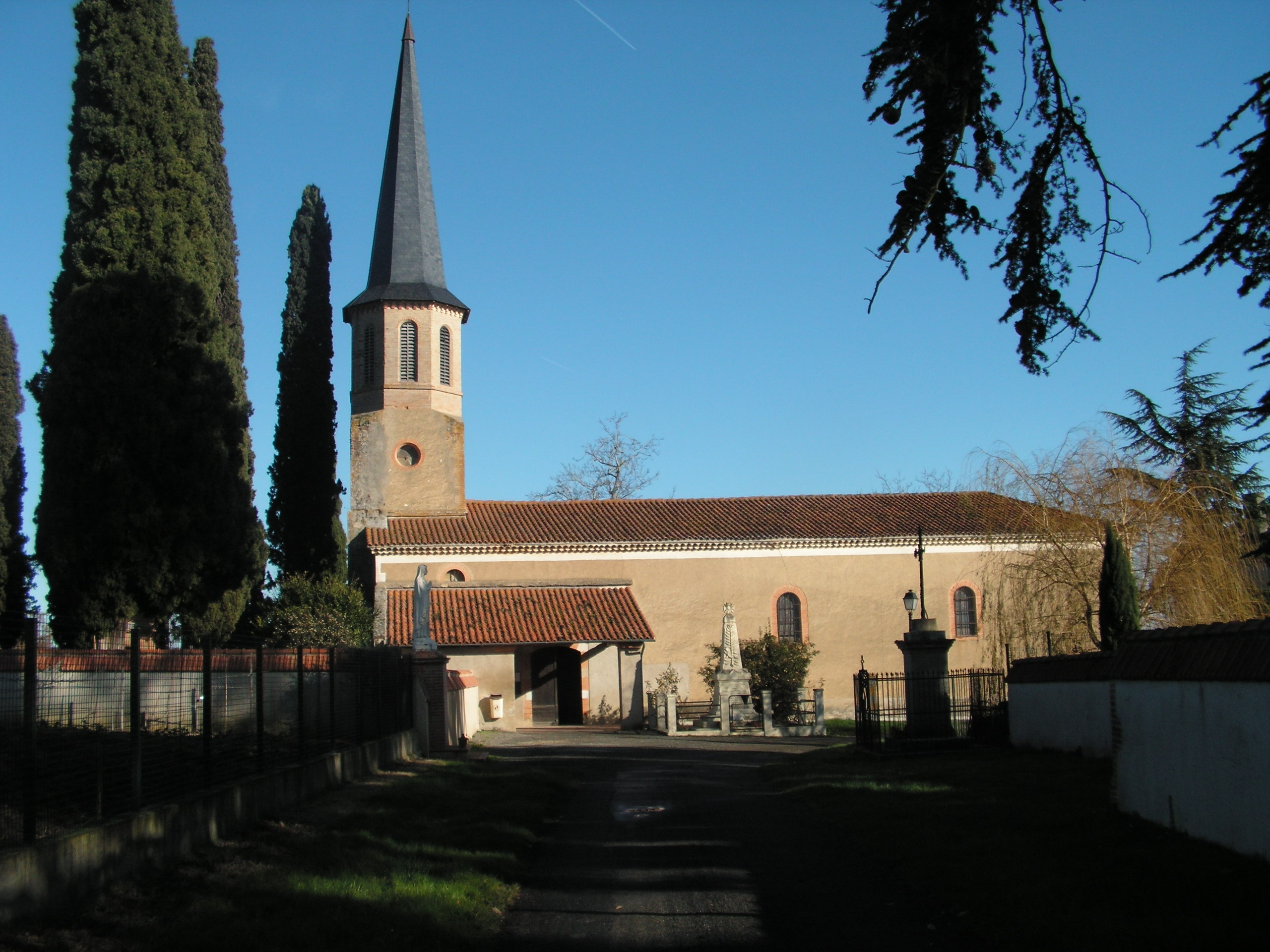
The parish church of the commune is the Saint Germier church. It was originally made of earth and was rebuilt in mud brick. (on the north wall).
A chapel dedicated to Saint Menne, a Roman Christian soldier martyred in Egypt at the beginning of the 4th century, was located in the town. Every year, on the eve of Saint John the Baptist, one went there in procession carrying the relics of Saint Menne. Part of the slates of this chapel, now disappeared, would have been used to cover the bell tower of the parish church.
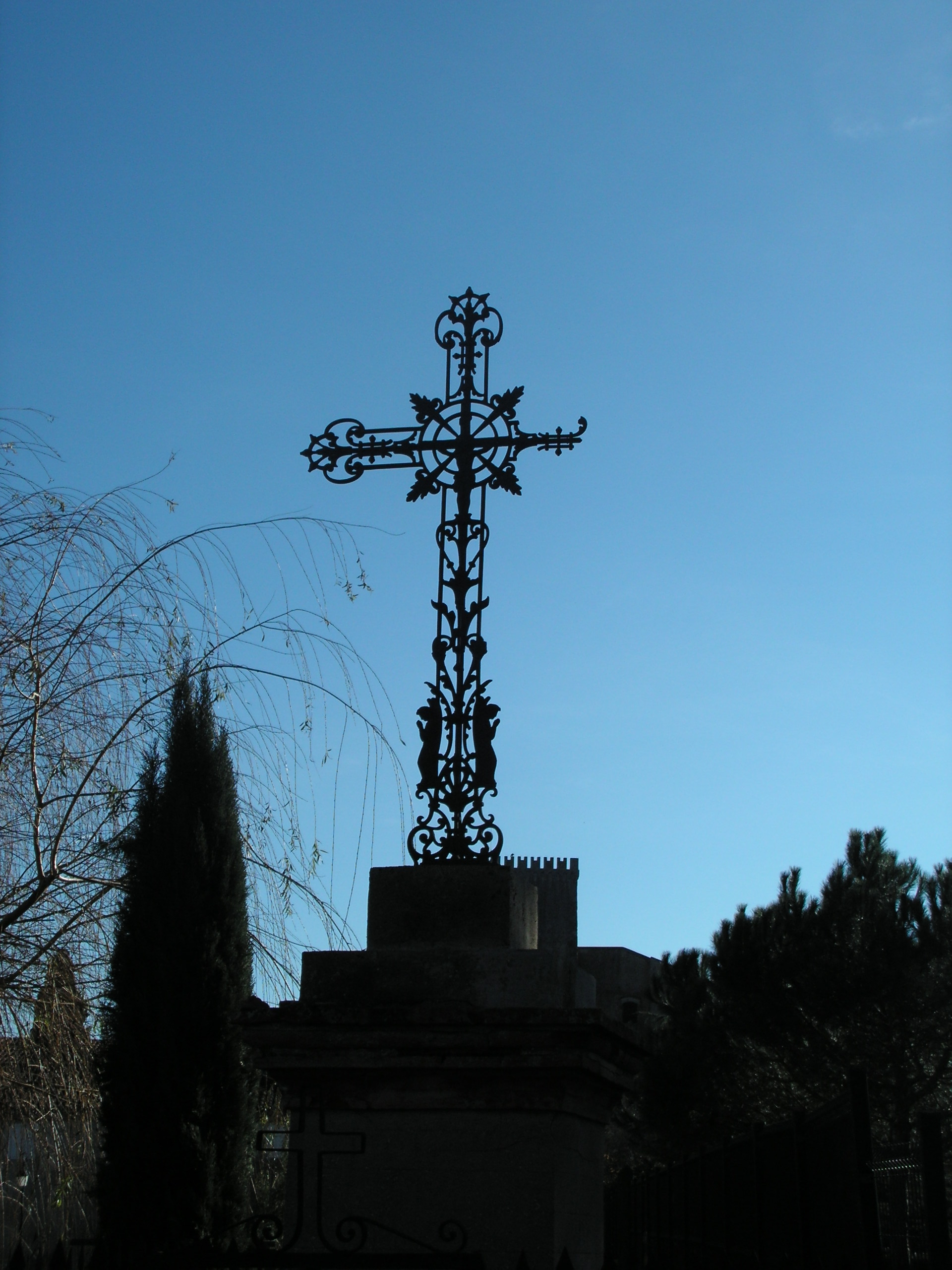
At the entrance of the village there is a concrete cross built in 1959, on the initiative of Gabriel Laveran, a missionary priest in Africa and then in Canada and originally from Boulaur.
At the edge of the D626, in a place called Brusc, is a house built in the 20th century and described as a castle. It has three pigeon houses aligned perpendicular to the road. This residence is private and cannot be visited.
The commune owned 2 mills. At a place called Le Tachon, there was the windmill of Saint Bent. It was located at 285m altitude. Ruins of this building survived until 1942. A water mill built on the edge of the Gimone provided electricity. It is today a private dwelling with a grindstone and a well-preserved turbine.
A dovecote belonging to the monastery is visible from the road. It was reported in poor condition in 1976 and has since been restored.
Tops of sarcophagi were discovered at a place called Saint Bent. They are now preserved in the Auch Museum.
In the commune of Boulaur, discover the Sainte-Marie abbey, dating from the 12th century. Founded in 1142 by Petronille de Chemillé, abbess of Fontevraud on the lands given by the count of Astarac. She was placed under the order of the Fontevrault.
The church of Sainte-Marie is the oldest vestige of the convent, transformed in the 17th and 18th c., with the ground floor of the building that houses the large dormitory. The paintings that adorn the vaults of the sanctuary and the first span are dated between 1320 and 1340. They were made by the school of Giotto (1266-1337). Finally, let us admire a very beautiful stone Madonna and Child, which served as a refill and was supposed to be at the center of a tympanum of one of the side portals. The monastery of Boulaur was elevated to the title of abbey on 6 September 1990. It belongs today to the order of the Cîteaux.
Today, the sisters organize visits and produce cow cheese, pâtés and jams. In 2024, they inaugurate the new public reception building.
The miraculous source of Boulaur is mentioned in the inventory of Abbot G. Loubes, where he recounts his existence near the disappeared chapel of Saint-Menne, a Roman Christian soldier martyred in Egypt. This fountain, called at the same time “Fontaine de Saint-Menne”, “Saint-Mesmin” and “Saint-Anne”, was a place of pilgrimage. Every year, a procession went to this place, solemnly carrying the relics of Saint-Menne, whose statue is still preserved in the parish church. The procession took place on the eve of the feast of Saint John the Baptist. The fountain was renowned for its healing virtues. It was attributed healing powers, notably for the sick suffering from scabs, ulcers, leprosy or herpetic diseases, known as “Saint-Menne’s disease”. It was particularly prized for treating scrofula, a condition affecting the lymph nodes. In 1880, a striking case was that of a leprous child, healed thanks to the water of this source, thus reinforcing its fame.
The municipality has a type 1 ZNIEFF ‘The wet meadows of Gimone in Saramon’ on 87 hectares covering 5 municipalities. It is a set of natural and semi-natural floodable meadows on the edge of Gimone. They constitute an interesting reservoir of biodiversity.
The commune also has a type 2 ZNIEFF ‘Le cours de la Gimone et de la Marcaoue’ on 3085 hectares covering 60 communes. This zone constitutes a corridor that follows the Gimone and its tributary the Marcaoue consisting of the river, the ripisylve and associated floodplains. Natural floodable grasslands are the flagship habitat of this ZNIEFF.
Spoken languages : French
Opening
- From jeudi 1 janvier 2026 to jeudi 31 décembre 2026
Services
Facilities
- Picnic area
- Car park
- Free car park
Services
- Tourist brochures